
Dumpster Swaps and On-Call Container Exchanges
A dumpster swap is a single visit in which your full container is hauled away and an empty one of the same size is set down in its place. Nothing has to pause while you wait for disposal, nobody has to find somewhere to stage material, and the crew never arrives to find a container they cannot legally move. It is the difference between renting a dumpster and actually running a site that produces waste continuously.
Swaps work on any of our roll-off sizes — 3, 5, 10, 20, 30, and 40 yard — and can be booked one at a time when a container fills, or on a repeating weekly, biweekly, monthly, or quarterly schedule at 15% off every occurrence. Container pricing starts around $300 for a 5 yard and runs to roughly $700 for a 40 yard depending on your location and what is going in, with cardboard and general mixed loads carrying no material surcharge, construction debris about 10%, and food waste about 20%.
We swap containers in every zip code in the United States through a vetted provider network, which is why multi-site businesses put all their locations on one account instead of arranging exchanges with a different local hauler in each market. Schedule at least three business days ahead — same-day and next-day swaps are not something we promise — and every exchange closes with a diversion report.

Trusted by 10,000+ clients
Nationwide waste partner for Trek Bikes, Instacart, Sares Regis and more! Trusted by state governments of California, Texas and Connecticut.




Ready to swap out a full dumpster?
Get an instant price quote powered by our Mirror Mirror AI, and book the swap as a one-off or on a repeating schedule.
Schedule a Dumpster SwapVery easy to schedule. They removed all items completely and on time. We would use them again.
Jessica
Everything was great, prompt, efficient and professional.
Joanne
Easy to set up, nice price and great service from the trash removal workers! Very pleased and will use this service again.
Marshall
Proudly Serving






Public Sector
Our Dumpster Swap Service
- Full Container Out, Empty Container In, One Visit The mechanics matter because they are what separates a swap from a rental. One truck arrives, the loaded container is hauled off for disposal, and a clean container of the same size is placed in exactly the same spot before the driver leaves. There is no gap where the site has nowhere to put waste, no second delivery appointment to coordinate, and no need for anyone to be on site to receive a new container separately.
- On-Call or On a Repeating Schedule Some sites fill a container on a predictable rhythm — a warehouse producing steady cardboard and packaging, a restaurant, a store receiving deliveries on the same days each week. Those belong on a recurring swap schedule, priced 15% below the one-time rate for every exchange. Sites with a less predictable rhythm, like a demolition phase or a seasonal peak, book swaps individually as the container fills. Both run through the same account, and you can move between them.
- Sized and Priced Around What Goes In The right swap size is usually smaller than people expect, because weight caps bite before volume does: 1,000 lbs on a 5 yard, 2,000 on a 10, 4,000 on a 20, 6,000 on a 30 and 8,000 on a 40. Dense material such as concrete, brick, dirt, and tile hits that limit while the box still looks half empty, so a heavy stream is better served by frequent swaps of a small container than by one large one. Material affects price too — cardboard and general loads carry no surcharge, construction and demolition debris adds about 10%, food waste about 20%.
- Separate Containers for Separate Streams A site producing both cardboard and general debris almost always saves money running two containers rather than one, because cardboard carries no material surcharge and mixing it into a general load forfeits that. We can keep separate containers at the same address on separate swap schedules — cardboard exchanged weekly, general debris monthly — and report on the streams separately.
Why Sites Run Swaps Instead of Rentals
- Work Never Stops for Disposal On a rental, a full container is a problem: material piles up beside it, the site gets less safe, and somebody has to arrange collection and then arrange a replacement. A swap collapses that into one scheduled visit. For an active job site or a business that generates waste every day, that is the entire value — the container is always usable because it is exchanged before it stops being usable.
- Cheaper Than Overfilling or Over-Renting The two expensive failure modes on a rental are ordering a container far larger than the job needs so it will not fill, and overloading a container so the load is rejected or surcharged. Regular swaps of a correctly sized box avoid both. If you are consistently swapping more than expected, that is a signal to size up; if a container is going out half empty, stretch the interval instead.
- One Arrangement Across Every Location Multi-site businesses rarely fill containers at the same rate everywhere, which is exactly what makes a single national hauler contract awkward. Swap schedules are set per site, so a busy location can be on a weekly exchange while a quieter one runs monthly, without splitting the account or the reporting across different vendors.
- Documented Disposal, Every Exchange Each swap is a completed service in its own right, producing a diversion report showing what was collected and where it went. Over a long project or a permanent site schedule that builds into a continuous record of the material you have generated and diverted, rather than a single line item at the end of a rental period.
Case Studies
As a bicycle and cycling product manufacturer expanded nationally, waste disposal turned into a coordination problem rather than a disposal problem. Their stores produce a wide range of material — cardboard through to hazardous waste — and each location generates it at a different rate and a different frequency. They wanted one centralized, reliable arrangement covering all of those shops instead of a separate relationship in every city.
Dimension's national coverage and ability to handle every waste stream let us put all of it on a single platform with one point of contact. A dedicated Account Manager stays in constant communication with the client so that each store's needs are addressed promptly and on the timing that store actually requires — which is precisely the problem container exchanges solve, since a busy location fills a box in a fraction of the time a quiet one does.
Because of the nature of their business, the account spans junk removal, dumpster rental, and hazardous waste disposal through one streamlined process. The result is multi-location and multi-service coverage at a cost-effective rate without compromising service quality, letting them mitigate risk, stay compliant, and focus on their core business rather than on waste logistics.
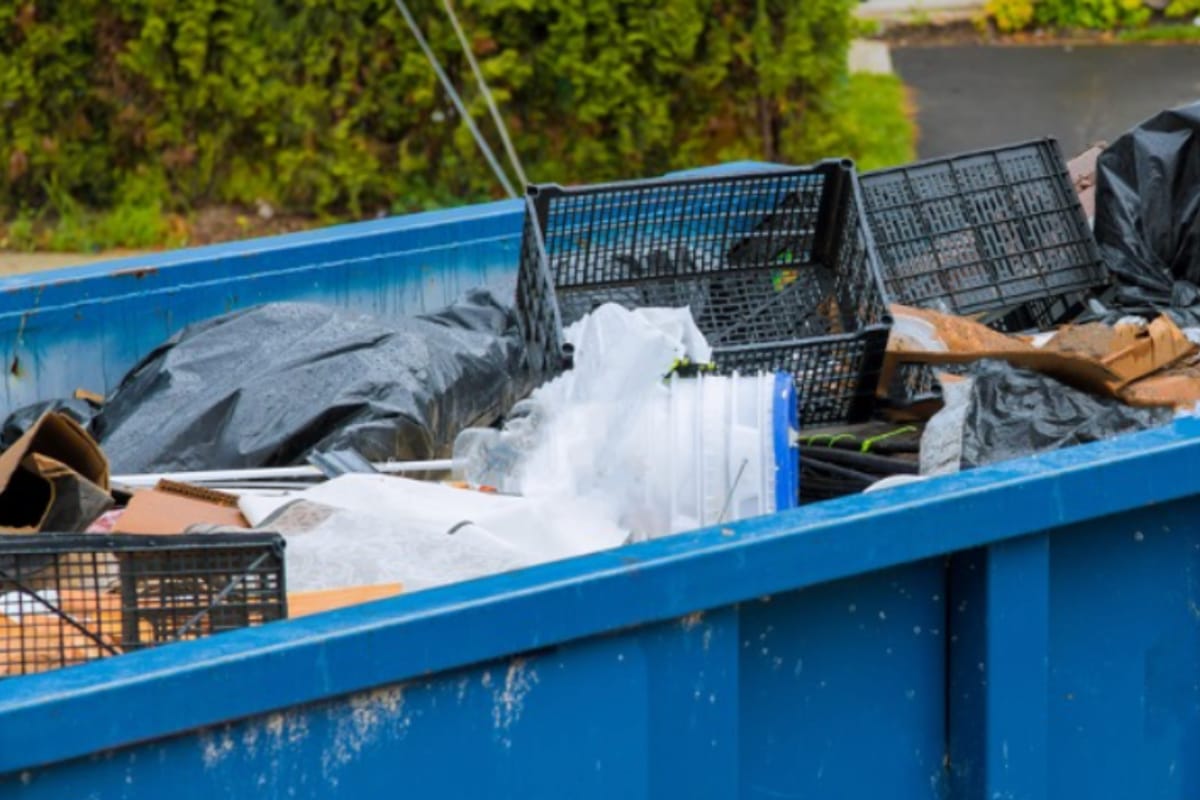

How a Dumpster Swap Works
- Tell Us the Size and the Material: If a container is already on site, tell us the size and what is in it. If this is your first one, describe the job instead — a warehouse producing cardboard and packaging, a demolition phase, a store reset — and we will match it to a size. Mirror Mirror prices it against your location, including any material surcharge, before you commit.
- Book It Once or Put It on a Cadence: Schedule a single swap for a specific date, or switch the plan to recurring and choose weekly, biweekly, monthly, or quarterly exchanges at 15% off each one. Set the first date at least three business days out and choose an arrival hour between 8am and 8pm so the exchange happens when your access is clear.
- We Haul the Full One and Leave an Empty One: A provider in your market arrives in the window, hauls the loaded container to an appropriate disposal or recycling facility, and sets an empty container of the same size in its place. Make sure the placement area is clear and reachable by a roll-off truck. You get a diversion report for the load, and on a recurring schedule the next exchange is already booked.
Frequently Asked Questions
What is a dumpster swap, and how is it different from a rental?
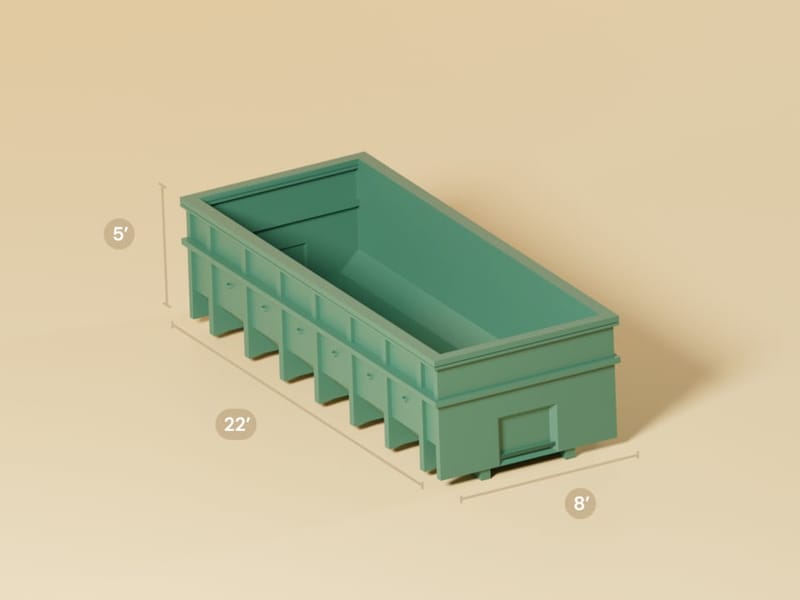
A rental is a container delivered for a period and hauled away at the end. A swap is an exchange: the full container leaves and an empty one of the same size takes its place during the same visit, so the site never goes without capacity. Swaps are how ongoing operations use containers — warehouses, restaurants, retail back-of-house, and job sites in an active phase — while rentals suit projects with a defined start and finish.
You can book a swap on its own whenever a container fills, or put exchanges on a weekly, biweekly, monthly, or quarterly schedule for 15% off each one. Either way the container size, weight cap, and material surcharges work exactly as they do on a rental: 3 through 40 yard sizes, weight allowances from 1,000 to 8,000 lbs, no surcharge on cardboard or general loads, about 10% on construction debris and about 20% on food waste. Book at least three business days ahead — we do not promise same-day or next-day exchanges.
Do I pay per swap, or is there a subscription?
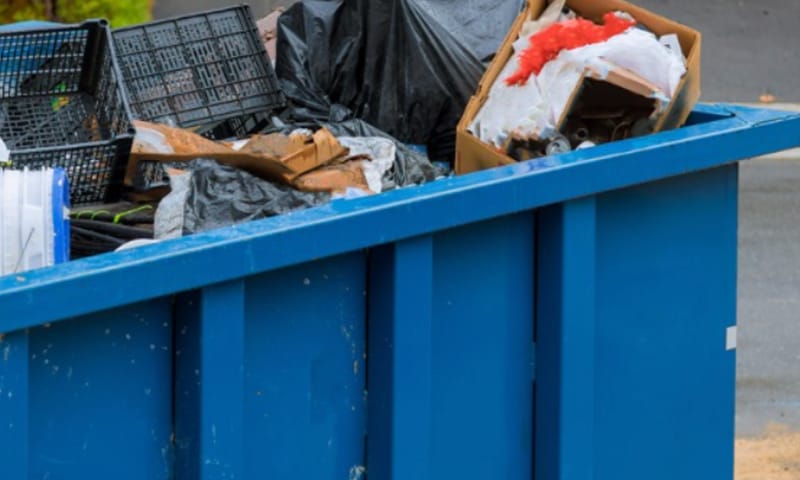
Per swap is the default: each exchange is priced like a service in its own right, from the container size, your location, and the material going in, and putting exchanges on a recurring cadence takes 15% off every one of them. For most sites that is the simplest and cheapest arrangement, because you only pay for the exchanges you actually need.
An unlimited dumpster swaps subscription is also available on eligible accounts, billed monthly at roughly 1.8 times the price of a single swap — so it starts paying for itself at about two exchanges a month and clearly wins at three or more. Its terms are worth knowing before you choose it: future swaps must be serviced at the same address and consist of the same items, and you can pause or cancel at any time. If your site's volume is genuinely unpredictable, ask us which of the two fits before you book.